

Los Angeles Severance Package Lawyer
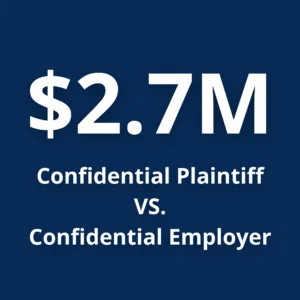



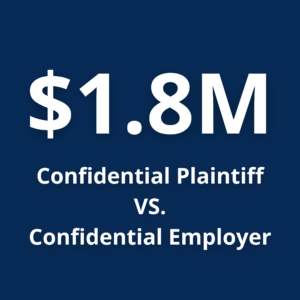
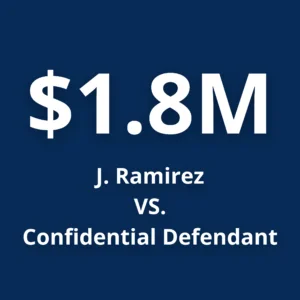





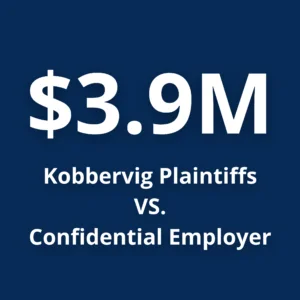


Award-Winning Severance Pay Lawyers

If you need a severance package lawyer in Los Angeles, Mesriani Law Group is here to help. When an employer hands you a severance agreement, the clock starts ticking—and what you sign in those first days can define your financial security and legal rights for years to come. Most employees look only at the dollar amount. What they miss is everything else: the claims they are waiving, the leverage they have not used, and the terms that will govern their professional reputation going forward.
At Mesriani Law Group, our Los Angeles severance agreement attorneys do not just review documents—we evaluate your situation for underlying wrongful termination, discrimination, or wage and hour claims that give you real negotiating power. See our blog on 5 things to know about severance pay in California. A severance agreement is a binding contract. You should never sign one without understanding exactly what you are giving up.
Are California Employers Required to Provide Severance Pay?
No. California law does not require employers to provide severance pay or a severance package to terminated employees. California is an at-will employment state, which means an employer can terminate an employee at any time, for any lawful reason—or for no reason at all—without owing severance.
However, severance may be legally owed in the following circumstances:
- Employment contract: If your employment agreement or offer letter specifies severance terms, the employer is legally bound by those terms upon termination
- Company policy: If the employer has a written severance policy that applies to your position and length of service, that policy may be enforceable as a contractual obligation
- Union or collective bargaining agreement: Union members may have severance rights governed by their collective bargaining agreement
- WARN Act: California’s Worker Adjustment and Retraining Notification (WARN) Act requires employers with 75 or more employees to provide 60 days’ advance notice before mass layoffs. Failure to provide adequate notice entitles affected employees to back pay and benefits for the notice period—effectively a form of mandatory severance
Even when an employer is not legally required to offer severance, they frequently do so voluntarily—in exchange for a release of claims. This is where your leverage begins. See our blog on what to do if you are denied a severance package.
What Is Really Inside a Severance Agreement?
A severance agreement is a binding legal contract. Most employees focus on the payment amount, but every other clause in the document can be equally important to your financial future and professional reputation. The most consequential provisions are:
General Release of Claims
This is the core of every severance agreement—and the most dangerous provision for employees who sign without legal review. A general release waives your right to sue the employer for anything that occurred during your employment, including wrongful termination, discrimination, harassment, unpaid wages, and retaliation. Once you sign a valid release, recovering on those claims is extraordinarily difficult.
Before signing any release, an experienced severance attorney in California will evaluate whether you have viable claims for wrongful termination, discrimination, or wage theft—because the existence of those claims is your primary negotiating currency. See our guide on wrongful termination in California.
Confidentiality Agreement
Most severance agreements prohibit you from disclosing the amount of the settlement to anyone—sometimes including family members. An attorney can often negotiate exceptions for your spouse, attorney, financial advisor, and tax preparer. California law also limits the scope of confidentiality provisions in agreements that resolve discrimination, harassment, or retaliation claims—meaning some confidentiality clauses may be unenforceable or narrower than they appear.
Non-Disparagement Clause
A non-disparagement clause prohibits you from making negative statements about the employer, its officers, or its products. If the clause is one-sided—applying only to you and not to the employer—your attorney should fight to make it mutual. A mutual non-disparagement clause prevents the company from damaging your professional reputation with former colleagues, industry contacts, or future employers.
Non-Compete and Non-Solicitation Clauses
California is one of the most employee-friendly states when it comes to non-compete agreements—they are generally unenforceable against employees under California Business and Professions Code § 16600. However, non-solicitation clauses restricting you from recruiting former colleagues or contacting former clients may have limited enforceability depending on their scope. An attorney should review any post-employment restrictions before you sign.
Cooperation Clause
Some severance agreements require you to cooperate with the employer in future litigation or investigations after your departure. The scope of this obligation—including how much time it may consume and whether you will be compensated—should be carefully evaluated and, where appropriate, limited.
Your Leverage: How Claims Increase Your Severance Value
The most important thing an experienced severance package attorney in Los Angeles does is not review the document—it is audit your employment history for claims. See our guide on employment discrimination in California. If you have viable claims, your employer has something at stake in the negotiation—and that changes everything.
Common underlying claims that create negotiating leverage include:
- Wrongful termination: If your termination violated public policy, breached an implied contract, or was motivated by discrimination or retaliation, the potential exposure for your employer may significantly exceed the value of their initial offer
- Discrimination and harassment: FEHA and Title VII claims can support compensatory and punitive damages with no cap under California law. If your termination or the circumstances leading to it involved race, sex, age, disability, pregnancy, religion, or other protected characteristics, those claims are leverage
- Unpaid wages and wage theft: Unpaid overtime, missed break premiums, and expense reimbursement failures add concrete dollar amounts to what the employer owes you independent of the severance amount. See our guide on
- Retaliation: If your termination followed a discrimination complaint, a wage claim, a safety report, or protected whistleblower activity, retaliation claims carry additional penalties and may increase leverage substantially. See our guide on
The employer’s legal team already knows your potential claims. You should too—before you negotiate.
California’s 5-Day Rule: Your Right to Consult an Attorney
Under California Government Code § 12964.5, an employer is required to give an employee at least five business days to consult with an attorney before signing a severance agreement that includes a general release of employment discrimination claims. The employer cannot pressure you to sign before that window expires, and any agreement signed before the five-day period has passed may be voidable.
This five-day window is not a courtesy—it is a legal right. Use it. Bring the agreement to a severance agreement attorney in California before the deadline, not after.
Special Rules for Employees Over 40: OWBPA Protections
If you are 40 years of age or older, federal law provides additional protections under the Older Workers Benefit Protection Act (OWBPA), which is part of the Age Discrimination in Employment Act (ADEA). A severance agreement that includes a release of ADEA age discrimination claims is only valid if it meets strict requirements:
- The release must specifically refer to rights and claims under the ADEA
- The employee must be advised in writing to consult an attorney before signing
- The employee must be given at least 21 days to consider the agreement (45 days for group layoffs)
- The employee must have 7 days after signing to revoke the agreement
A release that fails to meet any of these requirements is legally unenforceable as to ADEA claims—meaning you may be able to pursue age discrimination claims even after signing. See our guide on age discrimination in California. If your employer is rushing you to sign before the 21-day review period has run, or failed to provide the required disclosures, consult a severance attorney immediately.
What California Vacation Pay and Commissions Must Be in Your Final Check
Before evaluating any severance offer, you need to know what your employer already owes you—because these amounts are not negotiable and are not part of the severance. They are wages that must be paid regardless of whether you sign a severance agreement:
- Accrued vacation and PTO: Under California law, earned but unused vacation pay is a vested wage that must be paid out at termination. An employer cannot condition payment of accrued vacation on signing a severance agreement. If they try, that is itself a labor law violation
- Earned commissions: Commissions that have been earned under the terms of your commission agreement as of the date of termination must be paid in the final paycheck. They cannot be withheld as leverage
- Expense reimbursements: Business expenses you incurred on behalf of the employer that have not been reimbursed are wages owed to you—separate from severance
Confirm that all wages owed to you appear in your final paycheck before evaluating the adequacy of any severance offer. See our guide on labor law violations in California.
Calculating Fair Severance: What to Expect in California
There is no legally mandated formula for severance pay in California, but industry practice and negotiation norms provide useful benchmarks:
- Base formula: Most California employers offer between one and three weeks of base pay per year of service as a starting point. An employee with 10 years of service might expect an opening offer in the range of 10 to 30 weeks of salary
- Level and position: Senior employees, executives, and specialized professionals typically command higher multiples and have more leverage to negotiate extended COBRA coverage, accelerated vesting, and outplacement services
- Circumstances of termination: Employees with viable legal claims—wrongful termination, discrimination, unpaid wages—have substantially more negotiating power than employees terminated in a straightforward reduction in force
- COBRA coverage: Negotiating for the employer to pay COBRA premiums for a defined period after termination can add significant value, particularly for employees with families or ongoing medical needs
- Equity and RSU vesting: Employees with unvested stock options or restricted stock units should negotiate for accelerated vesting or an extended exercise window as part of the severance package
What to Do When You Receive a Severance Agreement
Never sign a severance agreement on the same day you receive it. Here is the right sequence:
- Do not sign anything immediately: The employer’s urgency is not your urgency. California law gives you at least five business days to consult an attorney. Employees over 40 have 21 days. Use the full period.
- Gather your employment records: Collect your offer letter, employment contract (if any), recent performance reviews, pay stubs, and any emails or documents related to the circumstances of your termination. These help your attorney assess your leverage.
- Audit your wage and hour history: Review your pay stubs for unpaid overtime, missed break premiums, and unreimbursed expenses. Underlying wage claims add to your negotiating position and must be released separately under California law.
- Assess whether discrimination or retaliation may have played a role: Consider whether your termination followed a protected complaint, a request for accommodation, a leave, or a pattern suggesting discriminatory intent. These claims are your leverage.
- Contact Mesriani Law Group before signing: Our Los Angeles severance package attorneys will review your agreement, evaluate your underlying claims, advise on what can be negotiated, and represent you in discussions with your employer’s counsel—at no upfront cost.
What Can Be Negotiated in a Severance Agreement?
Virtually every term in a severance agreement is negotiable. Common areas of negotiation include:
- A higher base severance payment or extended salary continuation period
- Employer-paid COBRA health insurance premiums for a defined period
- Accelerated vesting of stock options, RSUs, or other equity
- A neutral employment reference or agreed-upon reference language
- Removal or mutual application of the non-disparagement clause
- Narrowing or elimination of any post-employment cooperation obligation
- A structured payment schedule to manage tax impact
- Outplacement services or career transition support
Why Choose Mesriani Law Group as Your Severance Package Attorney in Los Angeles?
- Over 30 years negotiating severance agreements for Los Angeles employees from hourly workers to C-suite executives throughout California
- Deep knowledge of the employment claims—wrongful termination, discrimination, wage and hour—that provide real leverage in severance negotiations
- Experience identifying and enforcing OWBPA protections for employees over 40 and California’s five-day review requirement
- Skilled at making non-disparagement clauses mutual and securing meaningful post-employment protections
- No Win, No Fee—you pay nothing unless we achieve a better result for you
- Available 24/7 in English, Spanish, and Farsi for a free, confidential consultation
Severance Package: Frequently Asked Questions
1. Is a California employer required to offer severance pay?
No. California employers are generally not required to provide severance pay unless it is specified in an employment contract, a written company policy, or a collective bargaining agreement. However, employers with 75 or more employees who conduct mass layoffs without 60 days’ advance notice under the California WARN Act may owe back pay and benefits for the notice period. Even when severance is not legally required, employers frequently offer it voluntarily in exchange for a release of legal claims. See our blog on what to do if you are denied a severance package.
2. What is a general release of claims and why does it matter?
A general release of claims is the core provision of most severance agreements. It waives your right to sue the employer for anything that occurred during your employment — including wrongful termination, discrimination, harassment, unpaid wages, and retaliation. Once signed, recovering on those claims is extremely difficult. This is why you must have an attorney evaluate your potential claims before signing — those claims are your primary leverage. See our guide on wrongful termination in California.
3. Does California law give me time to review a severance agreement?
Yes. Under California Government Code § 12964.5, your employer must give you at least five business days to consult with an attorney before signing a severance agreement that includes a release of employment discrimination claims. Any agreement signed before that window expires may be voidable. This is a legal right, not a courtesy — use the full period to have an attorney review the document.
4. What special protections apply if I am over 40?
Employees age 40 and older are protected by the Older Workers Benefit Protection Act (OWBPA). A release of age discrimination claims is only valid if the employer:
- Specifically references ADEA rights in the agreement
- Advises the employee in writing to consult an attorney
- Gives the employee at least 21 days to consider (45 days in a group layoff)
- Allows a 7-day revocation period after signing
A release that fails any of these requirements is legally unenforceable as to age discrimination claims. See our guide on age discrimination in California.
5. Can I negotiate a higher severance payout?
Yes. Severance agreements are negotiable contracts. Your leverage depends on the circumstances of your departure. Employees with viable claims for wrongful termination, discrimination, harassment, or unpaid wages have significantly more negotiating power than employees in a straightforward layoff. An experienced severance attorney can:
- Identify and quantify your underlying legal claims
- Present a credible counter-proposal to the employer’s legal team
- Negotiate beyond the base payout — COBRA, equity, references, non-disparagement
See our blog on 5 things to know about severance pay in California.
6. Is my accrued vacation pay part of the severance package?
No. Under California law, earned but unused vacation pay is a vested wage that must be paid out at termination regardless of whether you sign a severance agreement. An employer cannot condition payment of accrued vacation on signing a release. If your employer is withholding vacation pay as leverage over a severance negotiation, that is itself a labor law violation. See our guide on labor law violations in California.
7. Will signing a severance agreement affect my unemployment benefits?
Generally, receiving a lump-sum severance payment does not disqualify you from California EDD unemployment benefits. However, the timing and structure of payments can sometimes affect when benefits begin. It is important to accurately report all payments to the EDD. An attorney can help structure the payment timing to minimize any impact on your benefits.
8. What can be negotiated beyond the base severance amount?
Many terms are negotiable beyond the cash payment, including:
- Employer-paid COBRA health insurance premiums for a defined period
- Accelerated vesting of stock options or RSUs
- A neutral employment reference or agreed-upon reference language
- Making the non-disparagement clause mutual so the company also cannot damage your reputation
- Removal or limitation of post-employment cooperation obligations
- Structured payment timing to manage tax impact
- Outplacement services or career transition support
Don’t Sign Away Your Rights Without Knowing Their Value
Before you accept any severance offer, our Los Angeles attorneys will review the agreement, assess your underlying claims, and negotiate a result that reflects what you are actually owed — at no upfront cost.
Free Severance Agreement Review: 866-500-7070Contact Us Today at (866) 500-7070 or Message Us Online to Schedule a Free Consultation
The Mesriani Law Group Process.
Mesriani Law Group offers No Win, No Fee representation and litigation services. This means our lawyers only get paid if you win.
Step 1:
Get Free Consultation
Submit your claim details and schedule a free consultation with a qualified attorney who will discuss your case.
Step 2:
Sign a Contract
Before a lawsuit is filed, a binding contingency contract will be created and signed by both parties.
Step 3:
Investigation
Our lawyers will investigate your claim to determine negligence, malice, or wrongdoing.
Step 4:
Negotiate a Settlement
An optimal settlement agreement may be negotiated before the claim goes to trial.
Step 5:
Fight in Court
If a settlement isn't reached, our trial attorneys will go fight to protect your rights and recover damages.
What Our Clients Have To Say
“I cannot emphasize enough the level of their professionalism and effectiveness. It was great working with Rodney and the whole team at the Mesriani Law Group. The compensation they got me was more than I expected. I highly recommend them. With the Mesriani Law Group you’ll be in the right hands when you have an accident. They’ll take care of your case like no one else and get the maximum that you deserve.“

“After contacting many different lawyers and law firms to discuss my legal issue, I was lucky enough to come across Mesriani Law Group. They took the time to listen to all the details of my case patiently & kept me updated through out the process on a regular basis. His team was very responsive and accessible both via email and phone. Rodney Mesriani and his team did a fantastic job. Let me add that Cory, Stephan and Brandon were very helpful along the way.
Highly recommend this law firm.“
“My insurance gave me the run around for a horrible car accident I was involved in. I was getting so frustrated until i contacted Rodney and his team. Not only was his staff super professional, they actually cared and followed up with me. My case has been settled and I couldn’t be happier. Hopefully I don’t get into any more accidents but if I do, I know where to go. Thanks for having my back Rodney!!!“

Free Legal Consultation
Practice Areas
- Age Discrimination Lawyer
- Civil Rights Discrimination Lawyer
- Class Action Lawyer
- Disability Discrimination Attorneys
- Employment Discrimination Lawyer
- Employment Retaliation
- Equal Pay Act Lawyer
- FMLA Lawyers
- Gender Discrimination Attorney
- Hostile Work Environment Lawyer
- Labor Law Violations
- Marital Status Discrimination Attorney
- Meal & Rest Break Lawyer
- Overtime Pay Attorneys
- Pregnancy Discrimination Lawyer
- Racial Discrimination Attorney
- Religious Discrimination
- Severance Package Attorney
- Sexual Harassment Lawyer
- Wage and Hour Attorney
- Workplace Harassment Lawyer
- Whistleblower Lawyers
- Wrongful Discharge In Violation
- Wrongful Termination Lawyer