Who Pays? Unraveling California’s Uber & Lyft Accident Rules
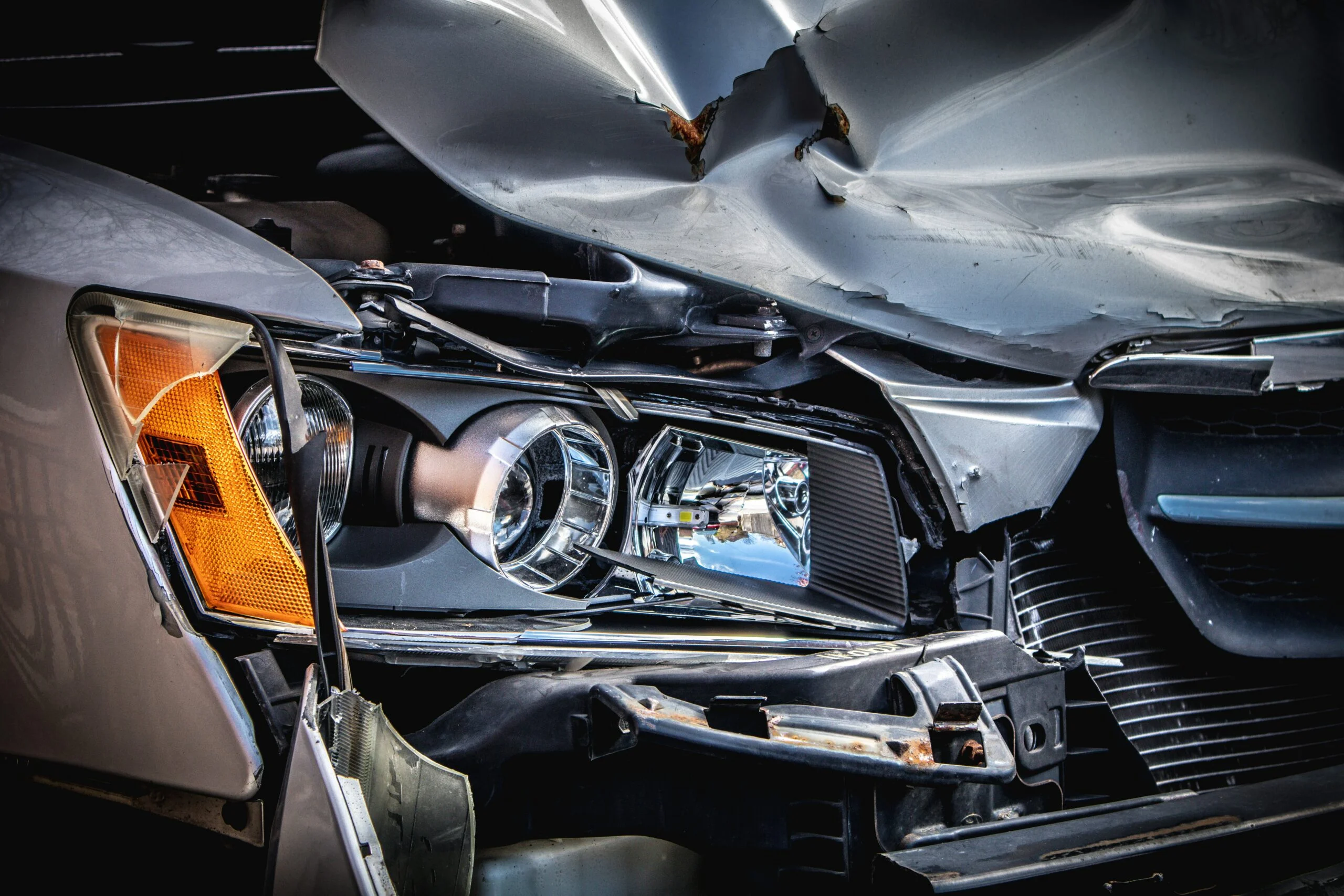
You’ve hailed the ride, confirmed the plates, and settled into the backseat. Then—crunch. A rideshare accident can turn a simple commute into a complex legal headache in seconds. In California, the big question isn’t just who is at fault, but what phase the driver was in. Because in the world of Uber and Lyft, the “on-off” switch on an app determines millions of dollars in coverage.
Here is the breakdown of who is on the hook when things go wrong on the road.
The “Three Phases” of Coverage
California law (specifically Cal Pub Util Code § 5433) treats rideshare companies—officially called Transportation Network Companies (TNCs)—differently than your average driver. Coverage scales up based on what the driver was doing at the exact moment of the impact.
1. The App is Off (Personal Time)
If the driver isn’t logged into the app, they’re just another private citizen on the road.
-
Who Pays? The driver’s personal auto insurance.
-
The Catch: Uber and Lyft have zero liability here. Recent California cases (Kim v. Uber and Marez v. Lyft) have confirmed that if the driver isn’t working, the company isn’t paying.
2. App is On, Waiting for a Match
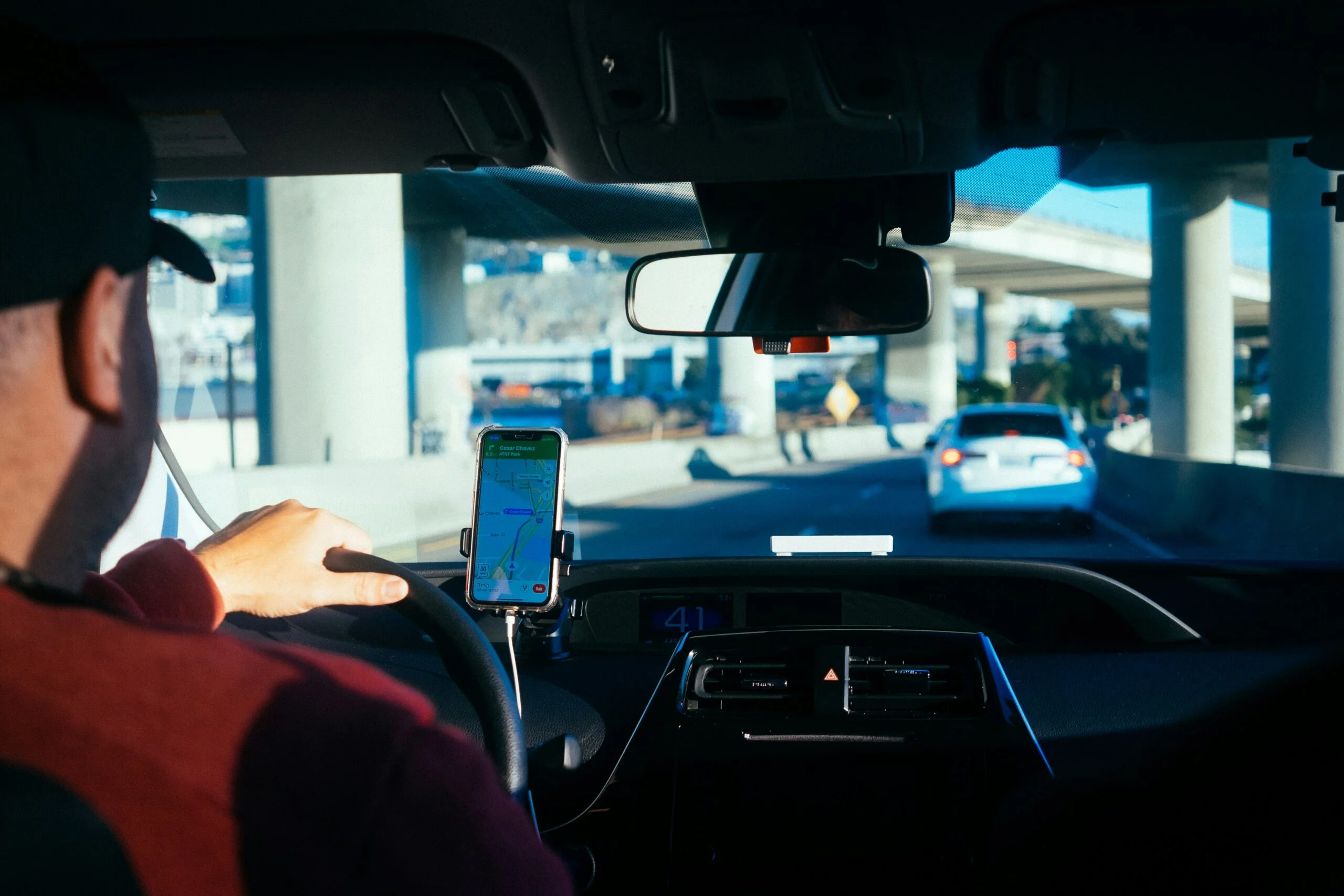
The driver is “online” and roaming, but hasn’t accepted a passenger yet. This is the “contingent” period.
-
Who Pays? The TNC provides primary liability insurance if the driver’s personal policy doesn’t cover it.
-
The Limits: * $50,000 for injury per person.
-
$100,000 for total injury per accident.
-
$30,000 for property damage.
-
3. Ride Accepted & Passenger Onboard
This is the “active” phase. From the second the driver hits “Accept” to the moment the passenger steps onto the curb, the stakes get much higher.
-
Who Pays? The TNC’s commercial policy.
-
The Limit: A massive $1,000,000 primary liability policy. This is designed to cover catastrophic losses, protecting passengers, pedestrians, and other drivers alike.
What About the Drivers?
California hasn’t forgotten the people behind the wheel. Under Cal Bus & Prof Code § 7455, TNCs must provide Occupational Accident Insurance for their drivers.
Key Distinction: This isn’t for the public; it’s a specific safety net for the driver. It covers medical bills and lost income if they are injured while “online,” helping bridge the gap for gig-economy workers who don’t have traditional workers’ comp.
The Final Takeaway
If you’re involved in a rideshare crash, your path to compensation depends on a digital timestamp.
-
Offline? It’s a standard personal injury claim.
-
Waiting for a ride? Moderate TNC coverage applies.
-
Active trip? You’re looking at the $1 million commercial policy.
Navigating these “tiered” policies and California case law is tricky. Because the insurance companies for the TNC and the driver often point fingers at each other, having an experienced personal injury attorney in your corner is the best way to ensure you aren’t left holding the bill.
Sources
- Cal Pub Util Code § 5433: Defines the primary insurance coverage requirements for TNCs based on the driver’s activity status.
- Cal Bus & Prof Code § 7455: Mandates occupational accident insurance for app-based drivers.
- Kim v. Uber Technologies, Inc., 105 Cal. App. 5th 252 (2024): Case law affirming that Uber is generally not liable for accidents when a driver is offline and acting in a personal capacity.
- Marez v. Lyft, Inc., 48 Cal. App. 5th 569 (2020): Case law finding Lyft not liable under the doctrine of respondeat superior when the driver was engaged in personal, unrelated activities.