
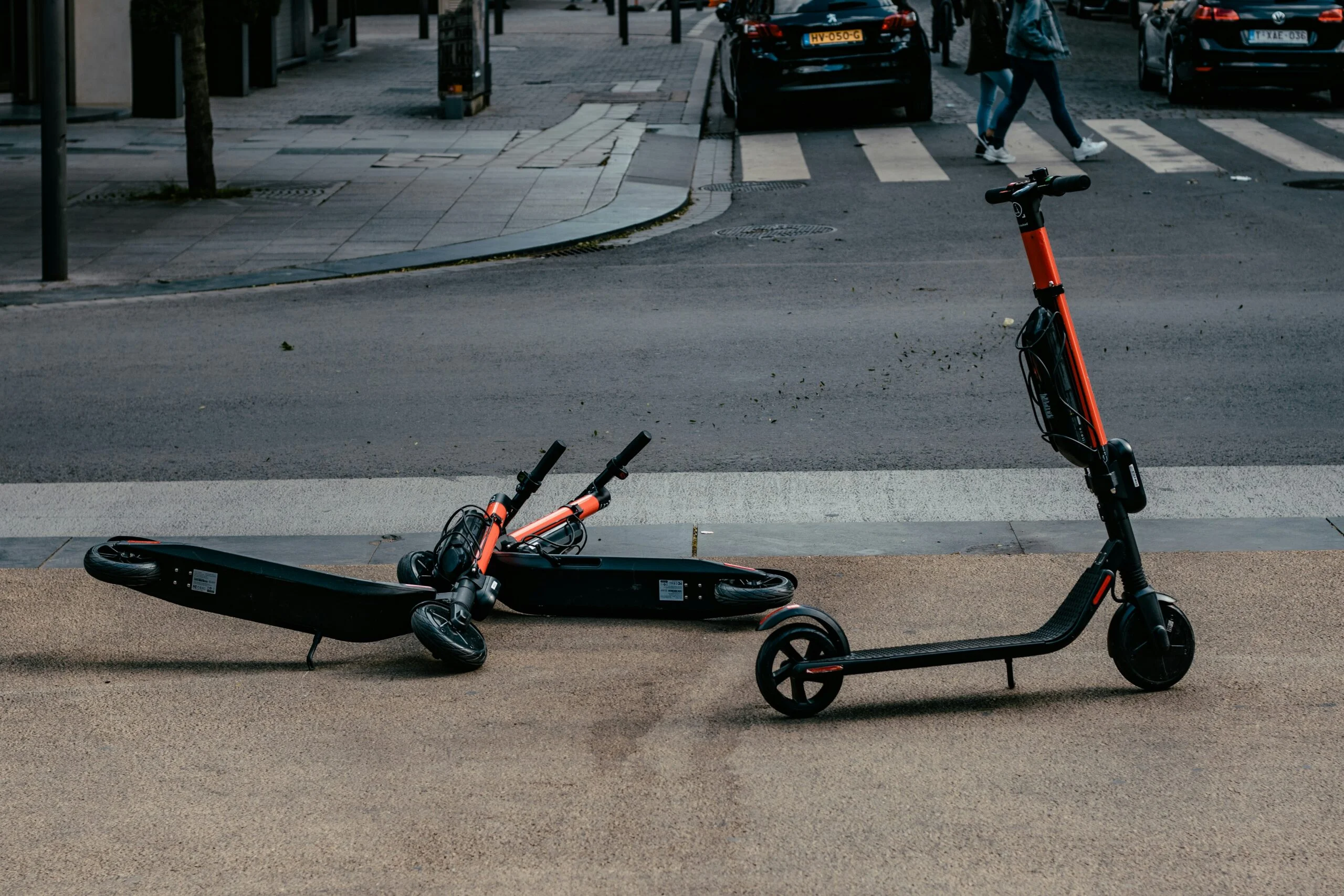
Los Angeles is buzzing with electric scooters and bikes, offering a fun, fast, and eco-friendly way to navigate the city’s notorious traffic. But as these shared mobility devices become ubiquitous, so does the risk of injury — and understanding LA e-scooter accident liability is the first step toward recovering compensation if you’re hurt. A sudden stop, a poorly maintained sidewalk, or a carelessly abandoned scooter can all lead to a serious electric scooter accident. If you’re hurt in an e-scooter or e-bike crash in LA, the crucial question is: who is responsible? Determining liability in these situations can be complex, involving rental companies, city agencies, and even the individual riders themselves.
The Shared Mobility Service Provider: More Than Just a Rental App
The companies providing the scooters and e-bikes — like Bird or Lime — have a significant role to play in liability. California law places a duty of care on these providers to ensure their devices don’t create an unreasonable risk of harm.
- Duty to Manage Risk: Rental companies may be held liable if they fail to manage their devices responsibly. For example, in Hacala v. Bird Rides, Inc., 90 Cal. App. 5th 292, the court recognized that a scooter rental business has a general duty to ensure its scooters are not entrusted to individuals who might leave them in hazardous locations, creating an unreasonable risk of harm or a public nuisance. This means that poor operational practices by the company could land them in court.
- Insurance Requirements: Shared mobility service providers also have strict statutory requirements under California law (Cal Civ Code § 2505). They must:
- Disclose to users that their personal insurance might not cover accidents.
- Maintain commercial general liability insurance with limits of at least $5 million.
- Offer or confirm coverage for bodily injury or death caused by the user’s negligence, with specific minimum amounts.
This legal framework is designed to ensure that the service providers bear some financial responsibility when their devices are involved in an accident. It’s not just about renting a device; it’s about responsibly managing a new form of public transportation.
Public Entities: When the Street Itself is the Danger
Sometimes, the accident isn’t the fault of a rider or a rental company, but the environment itself. The City of Los Angeles or other public entities can be held liable for injuries caused by dangerous conditions of public property under California law (Cal Gov Code § 835).
- Sidewalks and Maintenance: A cracked sidewalk, a deep pothole, or an improperly maintained bike lane could be the cause of an e-scooter or e-bike crash. As seen in Childs v. County of Santa Barbara, 115 Cal. App. 4th 64, public entities have a statutory duty to maintain sidewalks in a condition that doesn’t create hazards for foreseeable users, which includes scooter and pedestrian or bike riders.
- Immunity vs. Negligence: While public entities are often immune from liability for discretionary decisions — such as the decision to allow shared mobility services in the first place — this immunity doesn’t cover negligent maintenance. If the city failed to fix a known, dangerous hazard that caused your accident, they might be liable.
The Federal Layer: Safety vs. Liability
At the federal level, certain safety standards come into play. For instance, low-speed electric bicycles are classified as consumer products subject to federal safety standards (15 U.S.C. § 2085). State laws imposing stricter requirements are often preempted to ensure a uniform national standard for the product itself. It’s important to note that while this regulates the safety of the bike, it doesn’t directly address who is liable when an accident occurs. Liability remains primarily a question of state and local law.
⚖️ The Final Verdict: It All Comes Down to the Facts
Liability for an e-scooter or e-bike accident in Los Angeles rarely points to a single party. It often depends on a complex intersection of factors: the condition of the device, the negligent behavior of a user, or a hazard on public property. Whether you were hit by a careless rider, tripped over an abandoned scooter, or were thrown by a pothole, the specific facts of your case determine whether a shared mobility provider, a public entity, or an individual user is ultimately responsible.
If you’ve been injured, navigating the various state statutes and case precedents — from a general duty of care (Cal Civ Code § 1714) to specific insurance requirements (Cal Civ Code § 2505) — can be challenging. The rise of these new transportation options means the legal landscape is constantly evolving.
In the sprawling, fast-paced world of Los Angeles transportation, one thing is clear: when an e-scooter or e-bike accident derails your day, knowing who is liable is the first and most critical step toward getting back on track.
If you or a loved one has been hurt in a scooter, e-bike, or pedestrian accident in Los Angeles, the personal injury attorneys at Mesriani Law Group can help you determine who’s liable and pursue the compensation you deserve. Contact us today for a free consultation.
Frequently Asked Questions
Can I sue Bird or Lime after a scooter accident in Los Angeles? Potentially, yes. If the rental company failed to maintain its devices, failed to disclose insurance limitations, or otherwise created an unreasonable risk of harm, you may have a claim directly against the shared mobility provider.
Is the City of Los Angeles liable for a scooter accident caused by a pothole or broken sidewalk? It can be, under Cal Gov Code § 835, if the city knew about the dangerous condition and failed to fix it within a reasonable time. Claims against public entities have strict, short filing deadlines, so it’s important to act quickly.
What if I was a pedestrian hit by an e-scooter rider? You may be able to pursue a claim against the individual rider for negligence, and potentially against the rental company or city depending on the circumstances. See our pedestrian accident resources for more detail.
Does my personal auto or health insurance cover an e-scooter accident? Not always. Rental companies are required to disclose that personal insurance may not cover scooter accidents (Cal Civ Code § 2505), which is why understanding the provider’s own commercial liability coverage matters.
How long do I have to file a claim after an LA scooter accident? Generally, California’s statute of limitations for personal injury claims is two years from the date of the accident (Cal Code Civ Proc § 335.1), though claims against public entities like the City of Los Angeles require a formal claim to be filed within six months. An attorney can confirm the deadline that applies to your case.
Sources
- Duty of Care & Public Nuisance: Hacala v. Bird Rides, Inc., 90 Cal. App. 5th 292.
- Relates to Cal Civ Code § 1714.
- Provider Insurance & Disclosures: Cal Civ Code § 2505.
- Public Entity Liability: Cal Gov Code § 835.
- Illustrated in Childs v. County of Santa Barbara, 115 Cal. App. 4th 64.
- Federal Safety Standards for E-Bikes: 15 U.S.C. § 2085.
- Statute of Limitations, Personal Injury: Cal Code Civ Proc § 335.1.